
Mohs Surgery

Mohs surgery, also called Mohs micrographic surgery, is a specialized technique for removing skin cancer. Named after its inventor, Dr. Frederic Mohs, Mohs surgery is the treatment of choice for many skin cancers on the head and neck. It offers the following advantages:

  • Highest cure rate. Because all surgical margins are examined microscopically in the office, this procedure has the highest cure rate of all skin cancer treatments.
  • Optimal cosmetic result. Because there is no need to take a margin of healthy skin in Mohs surgery, the size of the wound left after tumor removal is minimized. Keeping the defect small optimizes the surgical repair, and produces a superior cosmetic result.
Watch a 9 minute video about the basics of skin cancer and the Mohs surgery process, produced by the American College of Mohs Surgery. (23.6 MB)

Mohs surgery is as an outpatient procedure that is performed under local anesthesia. First, the portion of the tumor that is clearly visible is surgically removed. Then the tumor is processed by the laboratory located in the office. This processing takes about an hour. After processing, the physician uses a microscope to see if the entire tumor has been removed. If the margins are clear, and the tumor has been completely removed, then the surgeon repairs the wound left from tumor removal, which usually involves sutures.

If the margins are not clear, meaning that some of the tumor was left behind, then the surgeon will go back and remove the edges around the previous tumor. This will likewise be processed and examined with a microscope. If tumor removal is complete, then sutures will be used to repair the defect, if not, then they will need to go back for more. This process is repeated as many times as necessary until the entire tumor is removed.

Because the number of stages involved with each case is unpredictable, it is impossible to know how long the surgery will take. For this reason, it is important for patients to plan on spending the entire day with us. Bring a good book and whatever else will help keep you comfortable while you are with us.

Learn more about Mohs surgery from:
American College of Mohs Micrographic Surgery and Cutaneous Oncology
www.mohscollege.org/AboutMMS.html


Frequently Asked Questions

Are skin cancers life-threatening?
The two most common types of skin cancer, basal cell carcinoma and squamous cell carcinoma, are rarely life threatening. These tumors replace normal surrounding tissue and generally do not spread to other areas. The third most common skin cancer, malignant melanoma, can be life threatening if treated late. When discovered and treated early, malignant melanoma is curable. Basal cell carcinomas and squamous cell carcinomas never "turn in to" malignant melanoma.
What does "Mohs" stand for?
Dr. Frederic Mohs developed this technique about 60 years ago. The procedure has been modified and refined over the years. Practitioners of the technique have kept Dr. Mohs’ name in respect for his contribution. Mohs surgery has other names including Mohs chemosurgery, Mohs microscopically controlled surgery, and Mohs micrographic surgery.
How large of a scar will I have from the surgery?
The size of the scar depends on the size of the tumor. It is often difficult to predict the size of the tumor prior to surgery.
Will I have stitches following the surgery?
Most patients will have stitches. There are three main ways your surgical wound may be handled:
  • Direct closure of wound with stitches. This is the most common method.
  • Skin graft or flap: In some instances, it is necessary to remove skin from behind the ear or some other site and graft it over the wound. Other times skin that is located near the wound is moved in to fill the defect left from surgery – this is a skin flap.
  • Let wound heal in by itself. The body has an excellent capacity to heal open wounds. This healing period is approximately three to six weeks depending on the size of the wound. It requires regular wound care.
In addition to wound size and location, the surgeon considers other factors to determine how your wound will be handled. This will be fully discussed with you on the day of surgery.
Will I be put to sleep for the surgery?
No. The surgery is well tolerated with local anesthesia. Because the surgery may be time-consuming, the risk of prolonged general anesthesia is thus avoided.
How long will the surgery last?
The length of surgery depends on the extent of the tumor. Often surgery lasts half a day or longer. Much of the time is spent waiting for tissue to be processed. Bring reading materials, needlework, etc., with you to help pass the time. Also, bring a snack or lunch with you on the day of surgery. A refrigerator and microwave oven are available for your convenience.
What if I live far away from the Skin Cancer Center?
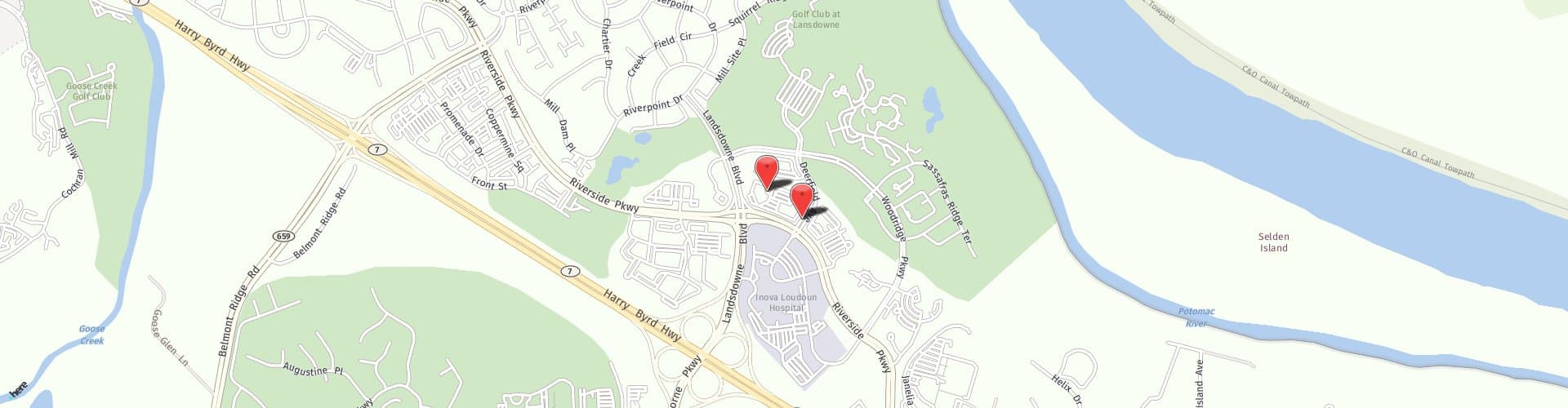
If your travel distance is great you might want to spend the night before surgery in the Sterling area. There are several moderately priced motels nearby. A list of these is available upon request.
Should I bring someone with me?
Yes. It is essential that you bring someone along as you will be unable to drive after surgery. Someone other than the patient must perform postoperative wound care in many instances. The nurse can give this person direct instructions, demonstrate wound care, and answer any questions after the surgery.
What should I wear?
You should wear comfortable clothing. Men should wear a shirt, which buttons down the front. Women should wear a blouse, which buttons down the front and a skirt or slacks.
Should I eat breakfast before surgery?
Yes. Breakfast is recommended.
Should I take my regular medications on the morning of the surgery?
Yes. Take your regular medications as they have been prescribed.
Are there any medications I should avoid prior to surgery?
If you take aspirin on a regular basis, you should discuss this with Dr. Todd prior to your surgery. In some instances it is beneficial to stop your aspirin 10 days prior to surgery. However, you should not stop it without talking to your physician first. If you are on coumadin, please continue taking it as prescribed. Also, bring a list of your medications with you on the day of surgery.
Will my activity be limited after surgery?
Yes. Plan on being out of work for several days after surgery. If your work requires significant physical exertion, you may be out of work longer. An excuse for your absence will be provided if necessary. Avoid any long trips within the first ten days following surgery in case you develop some complications.
What are the potential complications of surgery?
Bleeding and infection are the two primary complications. Both of these are uncommon, and can be treated if they do occur. We will discuss how to recognize and deal with these problems when you come for your surgery.
Will my insurance cover the cost of surgery?
Under most circumstances your carrier will pay for surgery. If you are a member of an HMO, it may be necessary to obtain a referral or authorization from your primary physician. If you are in doubt about your particular coverage, it would be useful to check with your insurance representative prior to your appointment. If you have specific questions regarding insurance or billing matters, please contact our office at (703) 723-5700.